

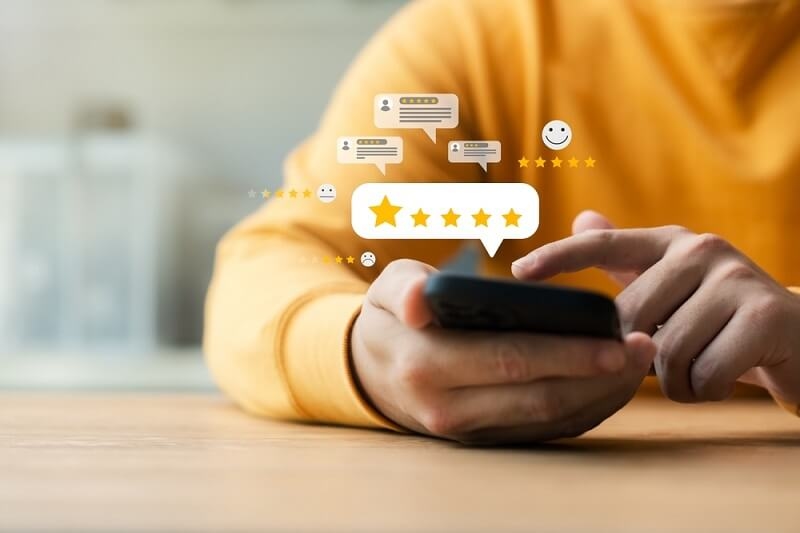
The current competitive market in the U.S. is highly competitive such that consumer behavior has ceased to be a luxury but rather a strategic requirement. To be ahead of the curve and have a more in-depth understanding of your customers, businesses need to understand the psychology of the purchase decision. This involves going beyond the shallow information and digging deep into the insights into buying patterns, trend influences, loyalty drivers, Psychographics and changes in habits that provides the interaction of consumers with the products, brands and experiences.
This comprehensive analysis will make you comprehend the customer behavior, their importance, and how you can use them to increase the market competitiveness of your brand supported by American marketing peculiarities.
The simplest definition of consumer behavior is the act of understanding how people decide and what they buy, must buy, want to buy or what they do about products, services and brands. This behavior in the U.S. is influenced by the complex interaction of personal tastes and preferences, economic status, cultural values, and technological innovations, where cultural diversity and access to the internet are high.
Knowledge of consumer behavior can assist companies to answer some of the important questions.
What is the impact of socio-economic changes on the demand of products? What is the contribution of emotion and values to the purchase decisions? Knowing Consumer behavior allows business to match message to specific needs, streamline products and develop experiences that resonate with what customers really need and not what they think they need.
Buying patterns are the noticeable tendencies of how the consumers buy goods and services as time passes by. These trends show the items that are purchased by the customers, the time at which they are purchased, the frequency of repurchases, and when they are being prompted to purchase.
The U.S. has experienced fast changing buyer patterns in the last few years due to the emergence of e-commerce, mobile shopping, social media influence and subscription.
For example:
To marketers, keeping up with buying patterns can unlock predictive knowledge - coming up with smarter inventory planning, personalized promotions, and a better customer experience that can reflect the real-time consumer behavior.
Trend Influences are cultural, technological and social forces that provide market momentum. Some of these trends are short-lived, but others have long-term effects that transform industries.
Recent Trend Influences in the U.S. are:
The knowledge of influences of Trends necessitates a synthesis of market research, social listening as well as connecting with cultural trends. Brands that are strategic are not only responsive to trends but they are also involved in creating the story around them. By so doing they are able to remain in the limelight and get attention ahead before other competitors.
Indicatively, those brands that adopt an inclusive sizing and sustainable sourcing approach are reacting to the expanded cultural trend influences of diversity and sustainability. These understandings do not only inform the design of products, they enrich the relevance of the brand.
Loyalty drivers are the emotional and rational stimulus drivers that instigate repeat business. Although most companies tend to concentrate on transactional rewards such as discounts, when it comes to loyalty, it is deeper than that.
The loyalty drivers in the U.S. are:
Long-term success can or can be broken by the strength of loyalty drivers. Loyal customers do not just purchase more often, they also act as brand ambassadors and shape the buying patterns of other people with their word-of-mouth and social sharing.
Programs that create a real community, provide VIP benefits, and compensate long-term participation tend to be more effective than those that are based on discounts only. With an insight of what really makes people loyal, brands are able to develop retention strategies that have a deeper appeal.
Whereas demographics can tell you who is the customer, psychographics can tell you why he or she buys. Psychographics include the attitudes, lifestyles, values, interests and personality of consumers.
As an example, two consumers can be 30 years old and be professional people (demographics can be similar), but their Psychographics can be incredibly different:
Knowing Psychographics helps the brands to divide the audience based on deeper characteristics and create emotional appeal in their messages. For example:

Habit Changes are the transformations in habits that have long been established among the consumers - they are usually occasioned by broader social or technological changes. Habit Changes that continue to transform markets were accelerated by the COVID-19 pandemic:
These Habit Changes even continue to exist as life normalizes. U.S. consumers now expect:
To marketers, the early identification of habit changes makes it possible to make proactive changes in strategies. They can also be used to develop campaigns that are in line with new consumer preferences in the way they live, shop and interact.
As an example, the brands that had invested in safe mobile checkout and loyalty applications would get the fruits of their labor when people started using digital habits that are still there today.
So how do you collect this data now that you have the significance of these concepts?
Interrogate consumers about their preferences, irritations and inspirations. Properly designed surveys are able to uncover Psychographics, new Trend Influences and changing Habit Change.
By revealing the interaction of consumers with your online presence, platforms such as Google analytics and social listening tools reveal Buying Patterns and Trend Influences.
Loyalty programs provide valuable data on the Repeat Purchasing and Loyalty Drivers. Monitor the redemption behavior, rewards preference and churn rate.
Third party research gives a wider industry picture - This is to assist you to compare your findings with the national Consumer Behavior standards.
Experimentation on messaging and pricing or experiences measures what will appeal to particular groups of the audience.
It is one thing to identify patterns and another to bring them into life and this is where brands really grow.
The U.S. consumer markets are shifting and changing fast - they are being influenced by technology and culture, as well as by values that are shifting individually. Consumer Behavior Decoding is not an option anymore but competitive advantage. Through profound insights into buying patterns, trend influences, loyalty drivers, psychographics and habit changes, businesses can develop the strategies that appeal more to the customer, create long-term growth and develop customer loyalty that survives in the marketplace.
These insights will help you whether you are introducing a new product, improving on your marketing plan, or coming up with a strategy of retaining customers in the long term. The successful brands will be the ones that will not only respond to consumer behavior but will predict it well.
A: Knowing consumer behavior assists a business to know why customers take specific buying decisions, how buying patterns evolve with time and what loyalty drivers affect repeat purchases. With the high competition and changing consumer demands in the U.S. market, such insights enable the brands to tailor marketing, enhance their products, and respond swiftly to Habit Change & Trend Influences.
A: Whereas the demographics emphasize on general attributes such as age, income or location, psychographics will emphasize on deeper attributes such as values, interests, attitudes, and lifestyle. Psychographics expound on the emotional and motivational aspect of consumer behavior which assists brands to establish the reasons of why some buying patterns are created and how the loyalty drivers can be created without considering price or convenience.
A: In order to react to the habit change and trend influences, the companies must constantly review the consumer data, track the cultural and online trends, and experiment with new approaches. Reconfiguring products, communication, and customer experiences in line with the changing consumer behavior will ensure the relevance, enhance customer relationships and aid in maintaining a good competitive advantage in the market.
This content was created by AI